Camping de Maasakker






Alloggi e piazzole
Piazzole


Pitch: Trailer Tent
Piazzola da campeggio · Fino a 8 persone
Pitch: Trailer Tent
Fino a 8 persone·Su richiesta
Maximum weight 1500 kg / length max 5,5 m
Sulla piazzola
Esterno
- Parcheggio
Comfort
- Wi-Fi gratuito
Da sapere
- Arrivo
- 14:00–20:00
- Partenza
- 07:00–11:00
Altro su questo campeggio
30 €
A notte


Pitch for tent
Piazzola da campeggio · Fino a 6 persone
Pitch for tent
Fino a 6 persone·Su richiesta
Sulla piazzola
Esterno
- Parcheggio
Comfort
- Wi-Fi gratuito
Da sapere
- Arrivo
- 14:00–20:00
- Partenza
- 07:00–11:00
Altro su questo campeggio
30 €
A notte


Van
Piazzola da campeggio · Fino a 4 persone
Van
Fino a 4 persone·Su richiesta
Sulla piazzola
Comfort
- Wi-Fi gratuito
Da sapere
- Arrivo
- 14:00–20:00
- Partenza
- 07:00–11:00
Altro su questo campeggio
30 €
A notte
Nessun risultato
Prova un altro tipo o rimuovi il filtro per vedere tutte le opzioni.
In breve
-
3 alloggi Mobile home, chalet e altro
-
Campeggio classificato 4 stelle Campeggio classificato ufficialmente
-
Wi-Fi gratuito Disponibile in struttura
-
Piscina Piscina disponibile in struttura
-
Accessibile in sedia a rotelle Strutture accessibili in tutto il campeggio
- Nessuna commissione di prenotazione
- Campeggi verificati
- Assicurazione annullamento
Informazioni su questo alloggio
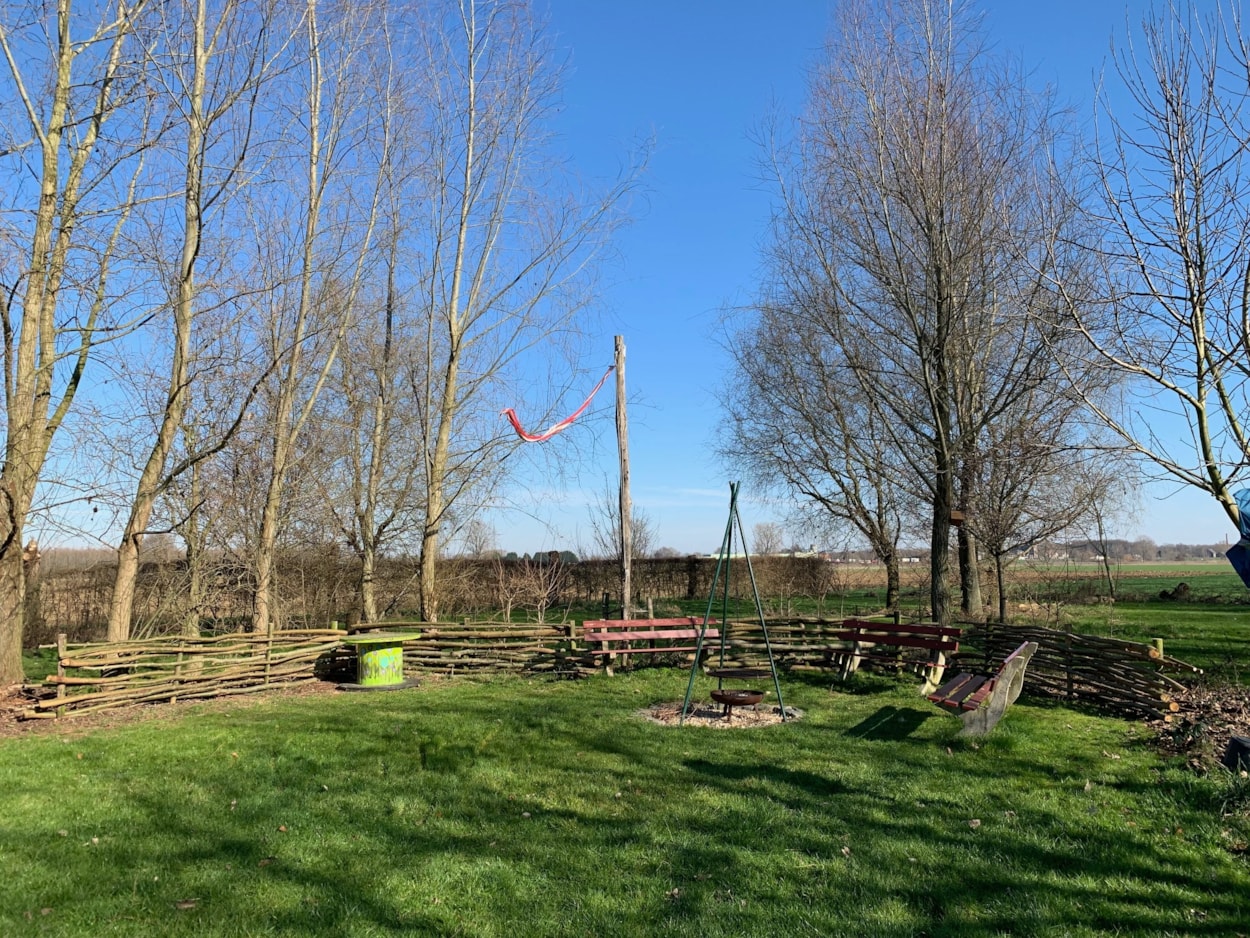
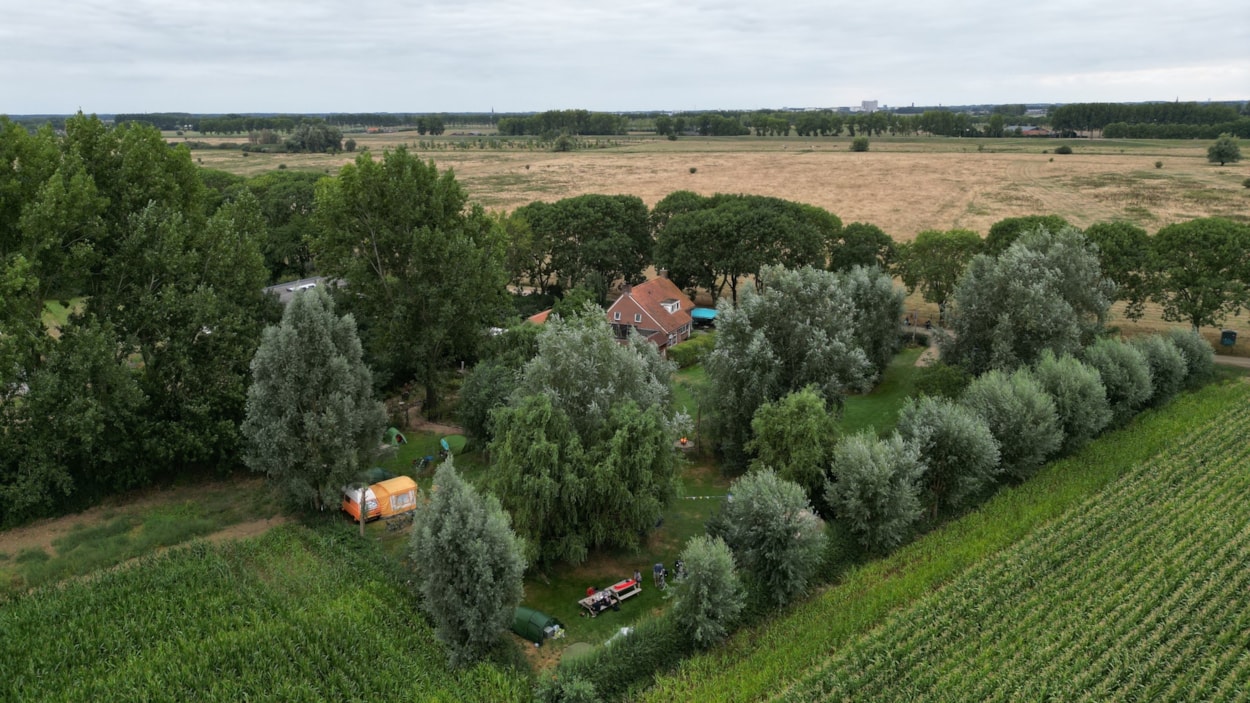
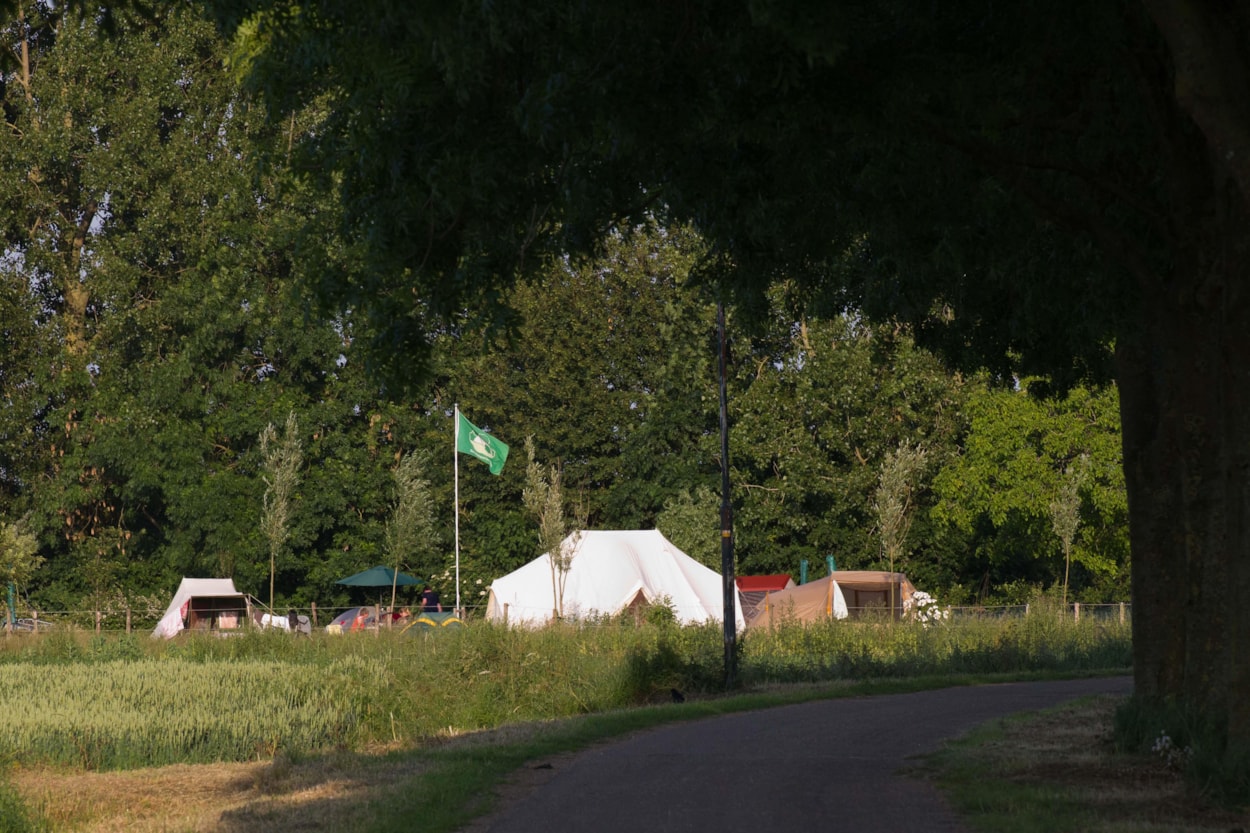
Questo campeggio gestito in modo sostenibile si trova nelle pianure alluvionali del fiume Mosa. In estate, i campi di mais offrono un riparo naturale. Il campeggio accoglie campeggiatori in tenda, tende pieghevoli e caravan.
Servizi
- Wi-Fi / Internet
- Doccia
- WC
- Elettricità
- Acqua potabile
- Accessibile in sedia a rotelle
- Area giochi
- Lavanderia
- Scarico acque reflue
- Piscina
Dove soggiornerai
Rulstraat 3, 5366 KA, Megen, Paesi Bassi
Come arrivare
Il campeggio si trova in Rulstraat, una strada laterale della N329.
Informazioni sulla zona
Pianure alluvionali nel bacino del fiume Mosa. Con percorsi ciclabili e pedonali sugli argini, le pianure alluvionali e attraverso il paesaggio naturale.
Condizioni di prenotazione
Tradotto automaticamente dalle condizioni di prenotazione del campeggio.
CONDIZIONI RECRON
Le presenti condizioni RECRON sono state adottate in consultazione con il Consumentenbond e l'ANWB, nell'ambito delle consultazioni di autoregolamentazione del 'Coördinatiegroep Zelfreguleringsoverleg' (CZ) del consiglio socioeconomico SER, e sono entrate in vigore il 1° luglio 2016.
Articolo 1: Definizioni
Nelle presenti condizioni si applicano le seguenti definizioni:
a. Alloggio per vacanze: tenda, camper pieghevole, camper, caravan (permanente), bungalow, casa per vacanze, capanna da trekking e simili;
b. Imprenditore/gestore ricreativo: l'azienda,
l'istituzione o l'associazione che mette a disposizione del fruitore l'alloggio per vacanze;
c. fruitore: la persona che conclude l'accordo relativo all'alloggio per vacanze;
d. co-fruitore: la o le persone co-indicate nell'accordo;
e. terzo: qualsiasi altra persona oltre al fruitore e/o al suo o ai suoi co-fruitori;
f. prezzo stabilito: il compenso pagato per l'utilizzo dell'alloggio per vacanze; a tal fine deve essere indicato in un listino prezzi ciò che è e ciò che non è incluso nel prezzo;
g. costi: tutti i costi dell'imprenditore relativi all'esercizio
dell'attività ricreativa;
h. informazioni: informazioni scritte/elettroniche sull'utilizzo dell'alloggio per vacanze, sulle strutture e sulle regole relative all'alloggio;
i. commissione arbitrale: 'Geschillencommissie
Recreatie', commissione arbitrale settoriale a L'Aia, nominata da ANWB/Consumentenbond/RECRON;
j. annullamento: la risoluzione scritta dell'accordo da parte
del fruitore prima della data di decorrenza del soggiorno;
k. una controversia: quando un reclamo presentato dal fruitore all'imprenditore non viene risolto in modo satisfattorio per le parti.
Articolo 2: Contenuto dell'accordo
1. L'imprenditore mette a disposizione del fruitore, per scopi ricreativi, cioè non per residenza permanente, un alloggio per vacanze del genere o tipo concordato, per il periodo stabilito e al prezzo stabilito.
2. L'imprenditore è obbligato a fornire in anticipo al fruitore le informazioni scritte sulla base delle quali viene concluso anche il presente accordo. L'imprenditore comunica sempre tempestivamente per scritto al fruitore le eventuali modifiche.
3. Se le informazioni si discostano in modo sostanziale dalle informazioni fornite al momento della conclusione dell'accordo, il fruitore ha il diritto di annullare l'accordo senza costi.
4. Il fruitore ha l'obbligo di rispettare l'accordo e le relative informazioni. Egli si assicura che il co-fruitore o i co-fruitori e/o i terzi che lo visitano e/o soggiornano con lui rispettino l'accordo e le relative informazioni.
5. Se quanto stabilito nell'accordo e/o nelle relative informazioni è in contrasto con le condizioni RECRON, si applicano le condizioni RECRON. Ciò non pregiudica la possibilità per il fruitore e l'imprenditore di stipulare accordi supplementari con cui, a favore del fruitore, si deroga a queste condizioni.
Articolo 3: Durata e fine dell'accordo
L'accordo termina legalmente allo scadere del periodo stabilito, senza che sia richiesto un preavviso a tal fine.
Articolo 4: Prezzo e modifica del prezzo
1. Il prezzo è stabilito sulla base delle tariffe applicabili in quel momento, fissate dall'imprenditore.
2. Se, dopo la determinazione del prezzo stabilito, a causa di un maggiore onere per l'imprenditore, si verificano costi aggiuntivi in conseguenza di una modifica di oneri e/o prelievi che riguardano direttamente l'alloggio per vacanze o il fruitore, questi possono essere trasferiti al fruitore, anche dopo la conclusione dell'accordo.
Articolo 5: Pagamento
1. Il fruitore deve provvedere ai pagamenti in euro, salvo diverso accordo, nel rispetto dei termini stabiliti.
2. Se il fruitore, nonostante un precedente avviso scritto, non adempie o non adempie adeguatamente al proprio obbligo di pagamento entro un termine di due settimane dall'avviso scritto, l'imprenditore ha il diritto di annullare l'accordo con effetto immediato, senza pregiudizio del diritto dell'imprenditore alla liquidazione integrale del prezzo stabilito.
3. Se l'imprenditore non è in possesso dell'importo totale dovuto il giorno dell'arrivo, ha il diritto di negare al fruitore l'accesso all'alloggio per vacanze, senza pregiudizio del diritto dell'imprenditore alla liquidazione integrale del prezzo stabilito.
4. I costi extragiudiziali ragionevolmente sostenuti dall'imprenditore, dopo la messa in mora, sono a carico del fruitore. Se l'importo totale non viene saldato in tempo, dopo un avviso scritto verrà applicato all'importo ancora dovuto il tasso d'interesse legalmente stabilito.
Articolo 6: Annullamento
1. In caso di annullamento, il fruitore paga un'indennità all'imprenditore. Questa ammonta a:
- In caso di annullamento più di tre mesi prima della data di decorrenza, il 15% del prezzo stabilito;
- In caso di annullamento tra tre e due mesi prima della data di decorrenza, il 50% del prezzo stabilito;
- In caso di annullamento tra due mesi e un mese prima della data di decorrenza, il 75% del prezzo stabilito;
- In caso di annullamento entro un mese prima della data di decorrenza, il 90% del prezzo stabilito;
- In caso di annullamento dalla data di decorrenza, il 100% del prezzo stabilito.
2. L'indennità sarà rimborsata proporzionalmente, dopo la deduzione delle spese amministrative, se il posto viene prenotato da un terzo, su proposta del fruitore e con il permesso scritto dell'imprenditore, per lo stesso periodo o per una parte di esso.
Articolo 7: Uso da parte di terzi
1. L'uso dell'alloggio per vacanze da parte di terzi è consentito solo se l'imprenditore ha dato il proprio consenso scritto.
2. La concessione del permesso può essere soggetta a condizioni, che in tal caso devono essere stabilite preventivamente per scritto.
Articolo 8: Partenza anticipata del fruitore
Il fruitore deve corrispondere il prezzo integrale per il periodo tariffario stabilito.
Articolo 9: Cessazione anticipata da parte dell'imprenditore e sgombero in caso di inadempimento colpevole e/o atto illegittimo
1. L'imprenditore può annullare l'accordo con effetto immediato:
a. Se il fruitore, il o i co-fruitori e/o terzi
non osservano o non osservano adeguatamente gli obblighi derivanti dall'accordo, dalle relative informazioni e/o dalle normative governative, nonostante un precedente avviso scritto, e ciò in una misura tale che, secondo criteri di ragionevolezza ed equità, non si possa richiedere all'imprenditore di continuare l'accordo;
b. Se il fruitore, nonostante un precedente avviso scritto, causa disturbo all'imprenditore e/o ad altri fruitori o al buon clima sul terreno o nelle sue immediate vicinanze;
c. Se il fruitore, nonostante un precedente avviso scritto, utilizza l'alloggio per vacanze in violazione della sua destinazione finale.
2. Se l'imprenditore desidera un annullamento e uno sgombero anticipati, deve informarne di conseguenza il fruitore consegnando personalmente una comunicazione scritta. In tale lettera deve essere segnalata al fruitore la possibilità di sottoporre la controversia alla commissione arbitrale. In casi urgenti si può prescindere dall'avviso scritto.
3. Dopo l'annullamento, il fruitore deve assicurarsi che l'alloggio per vacanze venga sgomberato e il terreno lasciato quanto prima possibile, ma non oltre 4 ore.
4. Il fruitore resta in linea di principio obbligato a pagare la tariffa stabilita.
Articolo 10: Legislazione e normative
1. L'imprenditore garantisce in ogni momento che l'alloggio per vacanze, sia all'interno che all'esterno, soddisfi tutte le norme ambientali e di sicurezza che vengono (eventualmente) imposte all'alloggio per vacanze dalle autorità.
2. Il fruitore è obbligato a osservare rigorosamente tutte le norme di sicurezza vigenti sul terreno. Egli si assicura inoltre che i co-fruitori e/o i terzi che lo visitano e/o soggiornano con lui osservino rigorosamente le norme di sicurezza vigenti sul terreno.
Articolo 11: Manutenzione e installazione
1. L'imprenditore è obbligato a mantenere in buone condizioni il terreno ricreativo e le strutture centrali.
2. Il fruitore è obbligato a mantenere l'alloggio per vacanze e le immediate vicinanze, durante il periodo di validità dell'accordo, nello stesso stato in cui gli sono stati consegnati.
3. Non è consentito al fruitore, ai co-fruitori e/o a terzi scavare, abbattere alberi, potare arbusti o svolgere qualsiasi attività di questo tipo sul terreno.
Articolo 12: Responsabilità
1. La responsabilità legale dell'imprenditore per danni diversi da quelli relativi a lesioni e decesso è limitata a un massimo di
€ 455.000 per evento. L'imprenditore è obbligato a stipulare un'assicurazione a tal fine.
2. L'imprenditore non è responsabile di un incidente, furto o danno avvenuto sul proprio terreno, a meno che ciò non sia il risultato di un inadempimento a lui imputabile.
3. L'imprenditore non è responsabile delle conseguenze di condizioni meteorologiche estreme o di altre forme di forza maggiore.
4. L'imprenditore è responsabile dei malfunzionamenti degli impianti di utenza, a meno che non possa invocare la forza maggiore.
5. Il fruitore è responsabile nei confronti dell'imprenditore per i danni causati dalle sue azioni o omissioni, da quelle del o dei co-fruitori e/o di terzi, nella misura in cui si tratti di danni imputabili al fruitore, al o ai co-fruitori e/o a terzi.
6. L'imprenditore si impegna a prendere misure adeguate dopo che il fruitore ha segnalato disturbi causati da altri fruitori.
Articolo 13: Regolamento delle controversie
1. Il fruitore e l'imprenditore sono vincolati dalle decisioni della commissione arbitrale.
2. A tutte le controversie relative all'accordo si applica la legislazione olandese. La commissione arbitrale, la 'Geschillencommissie', oppure in alternativa un tribunale olandese, è esclusivamente competente a conoscere di queste controversie.
3. In caso di controversia relativa alla conclusione o all'esecuzione del presente accordo, la controversia deve essere presentata entro e non oltre 12 mesi dalla data in cui il fruitore ha presentato il reclamo all'imprenditore per scritto o in un'altra forma da determinare dalla commissione arbitrale.
Se l'imprenditore desidera sottoporre una controversia alla commissione arbitrale, deve richiedere al fruitore di pronunciarsi entro cinque settimane sul fatto se desideri o meno presentarsi dinanzi alla commissione arbitrale. L'imprenditore deve a tal fine annunciare che si considererà liberato allo scadere di detto termine.
Ovunque le condizioni parlino di commissione arbitrale, una controversia può essere sottoposta al tribunale. Se il fruitore ha sottoposto la controversia alla commissione arbitrale, l'imprenditore è vincolato da tale scelta.
4. Per la trattazione delle controversie si fa riferimento al regolamento della citata 'Geschillencommissie Recreatie'. Questa commissione arbitrale non è competente a esaminare una controversia relativa a malattia, lesione, decesso o mancato pagamento di una fattura che non sia basato su un reclamo materiale.
5. Per la trattazione di una controversia è dovuto un compenso.
Articolo 14: Garanzia di conformità
1. RECRON assumerà gli obblighi di un membro RECRON nei confronti del fruitore, impostigli da un parere vincolante della commissione arbitrale, secondo le condizioni stabilite tra RECRON e la 'Stichting Geschillencommissie voor Consumentenzaken', qualora l'imprenditore in questione non vi abbia adempiuto entro il termine stabilito a tal fine nel parere vincolante.
2. Se l'imprenditore ha sottoposto il parere vincolante alla valutazione del tribunale civile entro due mesi dalla sua data di emissione, l'eventuale adempimento del parere vincolante è sospeso finché il tribunale civile non abbia pronunciato una decisione.
3. Per l'applicazione della garanzia di conformità è richiesto che il fruitore presenti un ricorso scritto a RECRON.
Articolo 15: Modifiche
Le modifiche alle condizioni RECRON possono essere adottate esclusivamente in consultazione con le organizzazioni dei consumatori, in questo caso rappresentate da ANWB e Consumentenbond.
2016_V09.01
RECRON-CONDITIONS
These RECRON-conditions have been adopted through consultation with Consumentenbond and ANWB, in the context of the self-regulatory consultations 'Coördinatiegroep Zelfreguleringsoverleg' (CZ) of the socio-economic council SER, and they have come into effect on 1 July 2016.
Article 1: Definitions
In these conditions, the following definitions apply:
a. Vacation accommodation: tent, fold-out camping van, camping van, (permanent) caravan, bungalow, summer home, trekking cabin, and the like;
b. Entrepreneur/recreation maker: the company,
institution, or association making available the vacation accommodation to the recreation taker;
c. recreation taker: the person entering into the agreement regarding the vacation accommodation;
d. co-recreation taker: the person(s) co-indicated on the agreement;
e. third party: any other person besides the recreation taker and/or his co-recreation taker(s);
f. established price: the compensation which is paid for the use of the vacation accommodation; It must thereby be indicated on a price list what is and what is not included in the price;
g. costs: all costs for the entrepreneur related to the exercise
of the recreational business;
h. information: written/electronic information on the use of the vacation accommodation, the facilities and the rules regarding the accommodation;
i. arbitration committee: 'Geschillencommissie
Recreatie', sectorial arbitration committee in The Hague, appointed by ANWB/Consumentenbond/ RECRON;
j. cancellation: the written termination of the agreement by
the recreation taker prior to the effective date of the stay.
k. a dispute: if a complaint submitted by the recreation taker to the entrepreneur is not resolved to the satisfaction of parties.
Article 2: Content agreement
1. The entrepreneur makes available for recreational purposes, that is, not for permanent residence, to the recreation taker, a vacation accommodation of the kind or type agreed on, for the established period and the established price.
2. The entrepreneur is obligated to provide the written information on the basis of which this agreement is also concluded to the recreation taker in advance. The entrepreneur always timely communicates changes to it to the recreation taker in writing.
3. If the information deviates substantially from the information which was provided upon adoption of the agreement, the recreation takerhas the right to cancel the agreement free of charges.
4. The recreation taker has the obligation to comply with the agreement and the associated information. He makes sure that co-recreation taker(s) and/or third parties visiting him and/or staying with him comply with the agreement and the associated information.
5. If what is stipulated in the agreement and/or the associated information is in conflict with the RECRON- conditions, the RECRON-conditions apply. This leaves unaffected that the recreation taker and the entrepreneur can make additional arrangements whereby, to the advantage of the recreation taker, these conditions are deviated from.
Article 3: Duration and end of the agreement
The agreement legalyendsafter expiry of the established period, without requiring notice to that effect.
Article 4: Price and price change
1. The price is established on the basis of the rates applicable at that moment, which are set by the entrepreneur.
2. If after determining the established price, due to increased burdening on the entrepreneur, extra costs occur as a result of a change to charges and/or levies, which regard the vacation accommodation or the recreation taker directly, these can be passed on to the recreation taker, also after conclusion of the agreement.
Article 5: Payment
1. The recreation taker must take care of payments in euros, unless agreed otherwise, with due regard for the established terms.
2. If the recreation taker, despite prior written warning, does not or does not adequately fulfill his payment obligation within a two-week term after the written warning, the entrepreneur has the right to cancel the agreement with immediate effect, without prejudice to the right of the entrepreneur to full settlement of the established price.
3. If the entrepreneur is not in possession of the total amount owed on the day of arrival, he has the right to refuse the recreation taker access to the vacation accommodation, without prejudice to the right of the entrepreneur to full settlement of the established price.
4. Such extrajudicial costs as are reasonably incurred by the entrepreneur, after default notice, are borne by the recreation taker. If the total amount is not settled timely, after written warning the legally determined interest rate will be applied to the amount still outstanding.
Article 6: Cancellation
1. In case of cancellation, the recreation taker pays compensation to the entrepreneur. It amounts to:
- In case of cancellation more than three months prior to effective date, 15% of the established price;
- In case of cancellation between three to two months prior to effective date, 50% of the established price;
- In case of cancellation between two to one months prior to effective date, 75% of the established price;
- In case of cancellation within one month prior to effective date, 90% of the established price;
- In case of cancellation from the effective date, 100% of the established price.
2. The compensation will be refunded proportionally, after deduction of administration costs, if the place is reserved by a third party, upon proposal of the recreation taker and with the written permission of the entrepreneur, for the same period or a part of it.
Article 7: Use by third parties
1. Use of the vacation accommodation by third parties is only permitted if the entrepreneur has given its written consent for it.
2. The granting of permission may be subject to conditions, which in that case must be established beforehand in writing.
Article 8: Premature departure recreation taker
The recreation taker owes the full price for the established rate period.
Article 9: Premature termination by the entrepreneur and evacuation in case of a culpable shortcoming and/or illegitimate act
1. The entrepreneur can cancel the agreement with immediate effect:
a. If the recreation taker, co-recreation taker(s) and/or third
do not or do not adequately observe the obligations from the agreement, the associated information and/or government regulations, despite prior written, and to such a degree that, by standards of reasons and fairness, it cannot be demanded from the entrepreneur that the agreement is continued;
b. If the recreation taker, despite prior written warning, causes disturbance to the entrepreneur and/or fellow recreation takers or to the good atmosphere on, or in the immediate surroundings of, the premises;
c. If the recreation taker, despite prior written warning, uses the vacation accommodation in violation of the end-use of the premises.
2. If the entrepreneur wishes premature cancellation and evacuation, he must notify the recreation accordingly by personally handing over written notice. In this letter, the possibility must be pointed out to the recreation taker of submitting the dispute to the arbitration committee. The written warning can be foregone in urgent cases.
3. After cancellation, the recreation taker must make sure that the vacation accommodation is evacuated, and the premises left as soon as possible, though no later than within 4 hours.
4. The recreation taker remains bound in principle to pay the established rate.
Article 10: Legislation and regulations
1. The entrepreneur ensures at all times that the vacation accommodation, both on the inside and the outside, meets all environmental and safety standards which are (potentially) imposed on the vacation accommodation by the authorities.
2. The recreation taker is obliged to strictly observe all safety regulations which are effective on the premises. He also ensures that co-recreation takers and/or third parties who visit him and/or stay with him strictly observe the safety regulations which are effective on the premises.
Article 11: Maintenance and installation
1. The entrepreneur is obligated to maintain the recreational premises and the central facilities in proper conditions.
2. The recreation taker is obligated to keep the vacation accommodation and the immediate surroundings, during the effective time of the agreement, in the same state in which it was handed over to the recreation taker.
3. It is not permitted to the recreation taker, co-recreation takers and/or third parties to dig, fell trees, prune shrubbery, or conduct any such activity on the premises.
Article 12: Liability
1. The legal liability of the entrepreneur for other than damage regarding injury and death is limited to a maximum of
€ 455,000 per event. The entrepreneur is obligated to take out insurance for this.
2. The entrepreneur is not liable for an accident, theft, or damage on his premises, unless this is the result of a shortcoming which is attributable to the entrepreneur.
3. The entrepreneur is not liable for the consequences of extreme weather conditions or other forms of force majeure.
4. The entrepreneur is liable for malfunctions in the utilities facilities, unless he can make an appeal to force majeure.
5. The recreation taker is liable towards the entrepreneur fordamagewhich is caused by the actions or failure to act on his part, the part of co- recreation taker(s) and/or third parties, to the extent it regards damage which can be attributed to the recreation taker, the co- recreation taker(s) and/or third parties.
6. The entrepreneur commits himself to take appropriate measures after the recreation taker reports disturbance caused by other recreation takers.
Article 13: Disputes arrangement
1. The recreation taker and the entrepreneur are bound by rulings of the arbitration committee.
2. To all disputes regardingthe agreement, Netherlands legislation is applicable. The arbitration committee, 'Geschillencommissie', or alternatively a Netherlands court, is exclusively competent to hear these disputes.
3. In case of a dispute regarding the adoption or the implementation of this agreement, the dispute must be submitted no later than 12 months following the date on which the recreation taker submitted the complaint to the entrepreneur in writing or in another form to be determined by the arbitration committee.
If the entrepreneur wishes to submit a dispute to the arbitration committee, he must request the recreation taker to pronounce himself within five weeks on whether or not he wishes to present himself for the arbitration committee. The entrepreneur must thereby announce that he will consider himself liberated after expiry of said term.
Wherever the conditions speak of arbitration committee, a dispute may be submitted to the court of law. If the recreation taker has submitted the dispute to the arbitration committee, the entrepreneur is bound by this choice.
4. For the handling of disputes, reference is made to the Regulation of said 'Geschillencommissie Recreatie'. This arbitration committee is not competent to take into consideration a dispute which regards illness, injury, death or non-payment of an invoice which is not based on a material complaint.
5. For the treatment of a dispute, compensation is due.
Article 14: Compliance guarantee
1. RECRON will second the obligations of a RECRON-member vis-a- vis the recreation taker, imposed on the latter by a binding advice of the arbitration committee, under the conditions established between RECRON and 'Stichting Geschillencommissie voor Consumentenzaken', if the entrepreneur in question has not complied with it within the term established for it in the binding advice.
2. If the entrepreneur has submitted the binding advice for assessment to the civil court within two months after its date of issue, then the possible compliance with the binding advice is suspended until the civil court has pronounced a ruling.
3. For the application of the compliance guarantee it is required that the recreation taker makes a written appeal to it to RECRON.
Article 15: Modifications
Modifications to the RECRON-conditions can exclusively be adopted through consultation with consumer organizations, in the present case represented by ANWB and Consumentenbond.
2016_V09.01
Contatti
- +31 (0)4 12 48 43 32